
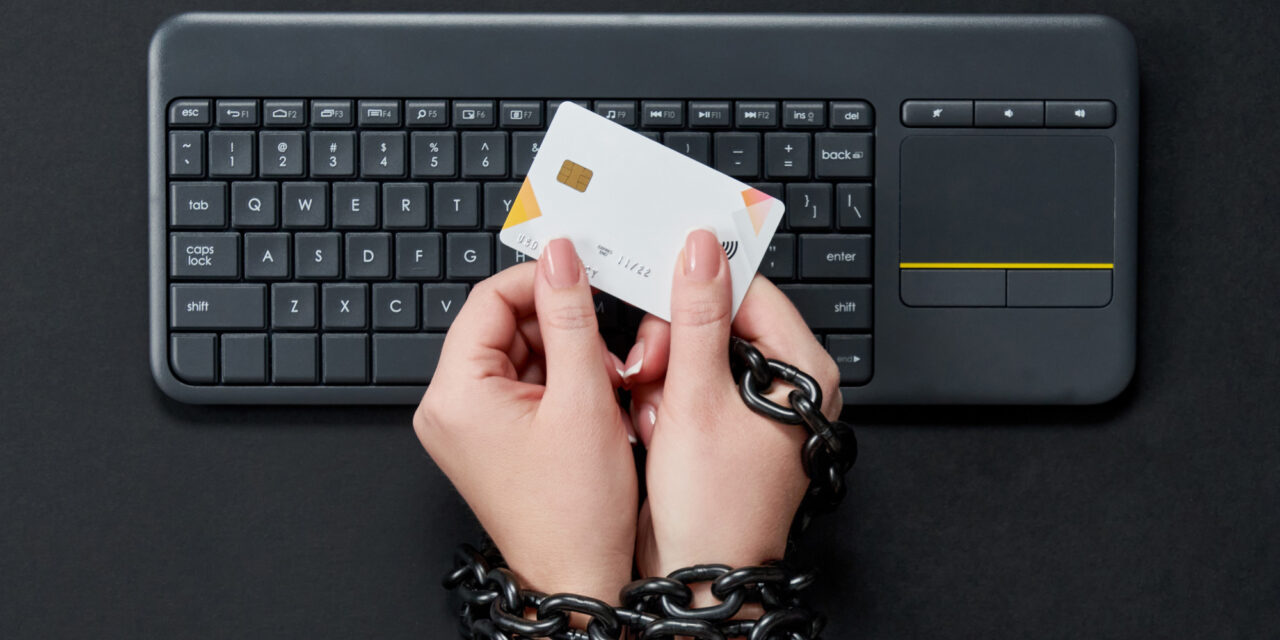
Debit Card Fraud: Recovery Steps, Evidence, and Who to Contact can look straightforward until fees, timing, eligibility, and fine print start interacting. This Banktimer guide explains debit card fraud what to do in practical terms and shows which details deserve verification before you act. You will see realistic examples, common mistakes, questions worth asking, and the trade-offs that matter for different financial situations. Where rates, policies, insurance terms, laws, or eligibility can change, the article points readers to current official sources instead of treating a temporary answer as permanent. Read the full guide before you apply, switch, transfer, borrow, insure, dispute, or pay based on the headline alone.
Reporting speed determines your legal liability. Under Regulation E, reporting an unauthorized debit card transaction within 2 business days caps your loss at $50; wait longer and it can rise to $500, then become unlimited after 60 days from your statement date.
Zero-liability network policies from Visa and Mastercard often go further than the law requires, but they come with conditions — prompt reporting, no gross negligence, and account in good standing — that a bank can point to if it denies a claim.
Your bank generally has 10 business days to investigate a reported error, though this extends to 45 days with provisional credit, and up to 90 days for point-of-sale debit transactions, new accounts, or transfers initiated outside the U.S.
Documentation you gather in the first hour — screenshots, transaction IDs, a dated written notice to your bank — matters more than anything you remember later, especially if an initial dispute is denied and you need to appeal.
Fraudulent charges can trigger real fees before anyone catches the problem — an overdraft fee from a fraudulent charge that overdrew your account is generally reversible once the underlying transaction is confirmed as unauthorized, but it usually has to be requested specifically, not assumed to happen automatically.
Card fraud losses reached $33.41 billion globally in the most recent full-year data, with the U.S. accounting for a disproportionate 41.87% of that total against just 26.31% of global card transaction volume — a gap that reflects how heavily American cardholders remain targeted.
Key Numbers to Know
| Figure | Value | Why it matters |
|---|---|---|
| Regulation E liability cap if reported within 2 business days | $50 | The strongest protection tier available under federal law |
| Regulation E liability cap if reported after 2 days but before 60 days | $500 (unlimited after) | Reporting speed directly changes your maximum legal exposure |
| Standard Regulation E investigation window | 10 business days | Extends to 45 days if the bank provides provisional credit within the first 10 |
| Extended investigation window (new accounts, POS debit, foreign-initiated transfers) | Up to 90 days | Applies to specific transaction types and account ages, not every dispute |
| Typical network zero-liability fund-replacement commitment | Within 5 business days of notification | A voluntary Visa/Mastercard commitment, separate from and often faster than Reg E’s own timeline |
| Global card fraud losses (most recent full-year data) | $33.41 billion | The U.S. share of these losses (41.87%) is far higher than its share of global card volume (26.31%) |
| Typical daily debit card purchase limit | Roughly $2,000 to $5,000, bank-dependent | Caps how much a single day of fraudulent use can typically extract before hitting a hard limit |
What Counts as Debit Card Fraud — And What Doesn’t
Not every disputed debit card charge is fraud in the legal sense, and getting the diagnosis right at the start determines which process actually applies. Fraud specifically means a transaction you didn’t authorize and didn’t personally initiate — a stolen card used at a store, a cloned card number used online, or an account accessed through stolen login credentials. This is legally distinct from a billing error on a transaction you did make yourself — being charged twice, charged the wrong amount, or never receiving goods you paid for — which is still protected under Regulation E’s broader error-resolution rules but isn’t “fraud” in the strict sense and doesn’t carry the same urgency around reporting deadlines and liability tiers. It’s also distinct from a merchant-initiated authorization hold that hasn’t yet settled for the right amount, a separate and usually self-resolving issue covered in its own detail elsewhere. Correctly identifying which of these applies to your situation is the first real step, since a bank’s fraud department and its general billing-dispute process aren’t always the same team or the same timeline.
Lost or Stolen Physical Card
The most straightforward case: your physical card is missing, and transactions appear that you didn’t make. This is unambiguous grounds for both a fraud report and Regulation E’s unauthorized-transfer protections, and the priority is speed — every hour before you report it is an hour someone else can keep spending.
Skimming and Card Cloning
A skimming device — attached to an ATM, a gas pump, or a point-of-sale terminal — captures your card’s magnetic stripe data (and sometimes a PIN, via a hidden camera or fake keypad overlay) without you ever losing physical possession of the card. The captured data is then encoded onto a blank card or used for card-not-present purchases. Chip-enabled (EMV) transactions are meaningfully harder to clone than magnetic-stripe swipes, which is part of why skimmers increasingly target the magnetic stripe fallback or contactless-adjacent scanning rather than the chip itself, and why insisting on a chip-read or tap transaction over a swipe, where you have the choice, reduces this specific risk.
Card-Not-Present Fraud (Online and Phone Purchases)
Card-not-present fraud uses only your card number, expiration date, and security code — obtained through a data breach, a phishing site, or a skimmed online checkout page — without the physical card or a chip read involved at all. This category has grown as a share of total card fraud as EMV chip adoption has made in-person cloning harder, shifting fraud toward the channel that doesn’t require physical card contact.
Account Takeover via Phishing or Credential Theft
The most serious version involves a fraudster gaining access to your online or mobile banking credentials directly — through a phishing email, a fake bank text, or a data breach — then using that access to view your debit card number, change account settings, or initiate transfers. This scenario often requires more than a single card replacement, since the underlying account access, not just the card number, has been compromised.
Family Member or Authorized User Disputes
A less clear-cut category involves a charge made by a spouse, family member, or someone else who had legitimate access to your card or PIN, even if the specific purchase surprises or upsets you. Regulation E’s unauthorized-transaction protections generally apply only when the person making the charge had no authority to access the account at all — a charge made by someone you gave your PIN to, even if you didn’t expect that particular purchase, typically isn’t “unauthorized” in the legal sense, and a bank can reasonably decline to treat it as fraud. This distinction matters because filing a formal fraud dispute over a household disagreement, rather than resolving it directly, can create friction with your bank and doesn’t fit the process this guide describes — it’s worth being honest with yourself about which category actually applies before filing.
Debit vs. Credit Card Fraud: Why the Stakes Are Different
Debit and credit card fraud both fall under real consumer protections, but the practical stakes differ in a way worth understanding before deciding which card to use for a given purchase. With a disputed credit card charge, the money was never actually withdrawn from your bank account — you simply don’t have to pay that specific line item while the dispute is investigated, and your cash flow is untouched in the meantime. With a disputed debit card charge, the money has already left your checking account, and even with provisional credit available, that credit isn’t instant — a bank has up to 10 business days before it’s required to provide it, during which the missing funds can cause other payments to bounce, trigger overdraft fees on unrelated transactions, or simply leave you without money you were counting on. This gap is exactly why many people default to a credit card for online and unfamiliar-merchant purchases specifically, reserving debit card use for situations where the card-not-present risk is lower, even though both card types carry meaningful fraud protections on paper.
What Happens After a Resolved Case: Monitoring for Repeat Attempts
Getting a fraud dispute resolved and a new card issued doesn’t necessarily mean the underlying exposure is over. If your card number was compromised through a merchant data breach rather than a single isolated theft, the same breached data can circulate and resurface in new fraud attempts weeks or months later, sometimes against the new card number if it was somehow captured during the transition or against other accounts if the breach exposed more than just card data. Keeping real-time transaction alerts active for at least 60 to 90 days after a resolved case, rather than assuming the problem ended with the new card’s arrival, catches a meaningful share of these follow-on attempts early enough to stay within Regulation E’s fastest-reporting liability tier again. If the original fraud involved compromised login credentials or suggested broader identity exposure, checking your credit reports for unfamiliar new accounts during this same window is a reasonable extension of the same monitoring habit, since account-takeover fraud and identity theft don’t always announce themselves through your bank statement alone.
Your Rights: Regulation E and Network Zero-Liability Policies
Regulation E’s Three-Tier Liability Schedule
The Electronic Fund Transfer Act, implemented through Regulation E, sets a legally binding cap on how much you can be held liable for after an unauthorized debit card transaction, and the cap is entirely a function of how quickly you report it. Report within 2 business days of discovering the unauthorized transaction, and your liability is capped at $50 or the actual amount taken, whichever is less. Report after 2 business days but within 60 calendar days of your statement being sent, and the cap rises to $500. Miss the 60-day window entirely, and you can face unlimited liability for any unauthorized transfers that occurred after that deadline passed. These aren’t suggested guidelines — they’re the actual legal ceiling on your exposure, which is exactly why reporting the moment you notice a problem matters more than waiting to see if more unauthorized charges appear first.
Zero-Liability Policies Go Further, With Conditions
Both Visa and Mastercard operate voluntary zero-liability policies for debit cards that generally promise $0 liability for unauthorized transactions, going further than Regulation E’s own $50 floor — and many issuers commit to replacing the funds within 5 business days of notification under these network policies, a faster timeline than Reg E’s own 10-day investigation window. These policies come with real conditions, though: they generally exclude certain commercial and anonymous prepaid card transactions, and coverage can be “withheld, delayed, limited, or rescinded” based on gross negligence, a delay in reporting, the outcome of the issuer’s own investigation, and the overall standing of the account. In practice, this means a zero-liability policy functions as an issuer’s voluntary commitment layered on top of Regulation E’s legal floor — helpful and usually honored, but not an absolute guarantee that overrides the underlying investigation process entirely.
The Error-Resolution Timeline: 10, 45, and 90 Days
Once you report an unauthorized transaction, your bank generally must investigate and determine whether an error occurred within 10 business days, then report the results to you within 3 more business days. If the investigation can’t be completed within that initial 10-day window, the bank can extend it up to 45 days total — but only if it provides provisional credit for the disputed amount within the original 10 days, giving you full use of those funds while the investigation continues. Certain situations get a longer clock: accounts open less than 30 days generally get 20 business days instead of 10 for the initial determination, and point-of-sale debit card transactions, along with transfers initiated outside the United States, can extend all the way to 90 days before a final determination is required. Once a bank determines an error did occur, it generally must correct it within one business day of that determination — the extended timelines apply to reaching a decision, not to acting on one once it’s been made.
Step-by-Step: What to Do the Moment You Notice Fraud
Step One: Lock or Freeze the Card Immediately
Most banking apps offer an instant card lock or freeze feature that blocks new transactions without requiring a call — use it the moment you notice an unfamiliar charge, even before you’ve confirmed every detail, since a locked card stops the bleeding while you figure out the rest. If your app doesn’t offer this, call your bank’s fraud line directly, using the number on the back of your card or your bank’s official website rather than any number or link from a text or email you didn’t request.
Step Two: Report to Your Bank in Writing (Not Just by Phone)
A phone call starts the clock, but Regulation E’s protections are strongest when you can prove exactly when and what you reported — follow up any phone report with a written notice through your bank’s secure messaging portal or a letter, restating the date you called, who you spoke with, and the specific transactions in dispute. This written record becomes essential if an initial verbal report is later disputed or if the case needs to be escalated.
Step Three: Change Credentials Tied to Online and Mobile Banking
If there’s any chance the fraud involved compromised login credentials rather than just a stolen physical card, change your online banking password and any linked email account password immediately, and enable multi-factor authentication if it isn’t already active. A new debit card number doesn’t help if the underlying account access itself remains compromised.
Step Four: File a Police Report if Applicable
A police report isn’t always required for a bank to process a fraud dispute, but it strengthens your case, is often required for identity-theft-specific remedies, and creates an official, timestamped record independent of your bank’s own investigation. File with your local police department, and keep the report number — some banks and the FTC’s identity theft process specifically request it.
Step Five: File an Identity Theft Report if Your Information Was Compromised, Not Just Your Card
If the fraud suggests your broader identity — not just your card number — was compromised (new accounts opened in your name, credit inquiries you didn’t authorize), file a report at IdentityTheft.gov, the FTC’s dedicated portal, which generates a personal recovery plan and an FTC Identity Theft Report that can be used with creditors, credit bureaus, and law enforcement. This is a distinct step from a simple card-fraud report, reserved for situations where the compromise appears broader than one card number.
What to Document the Moment You Notice a Problem
Screenshot every unfamiliar transaction before disputing it, including the date, amount, merchant name as it appears on your statement, and any transaction ID or reference number shown. Note the exact date and time you discovered the fraud, and separately the date and time you first reported it, since Regulation E’s liability tiers hinge on this specific gap. Log every subsequent contact with your bank — the date, the representative’s name, any case or reference number provided, and a brief summary of what was said — since verbal assurances that aren’t documented are difficult to enforce later if a dispute is denied or a promised timeline slips. Keep copies of any written notice you send, any police report filed, and any provisional credit notification your bank sends, since these documents together form the backbone of an appeal if your initial dispute is denied.
Fees That Can Compound the Problem
A fraudulent charge large enough to overdraw your account can trigger an overdraft or non-sufficient-funds fee before anyone catches the underlying problem — and that fee doesn’t disappear automatically just because the charge itself is later confirmed as fraudulent. Once your bank determines the disputed transaction was unauthorized, ask specifically and explicitly for any resulting overdraft, NSF, or related fees to be reversed as part of the correction; most banks will do this once asked, but it’s a step you generally have to request rather than one that happens automatically alongside the core transaction credit. Similarly, if your bank charges a fee for expedited replacement card shipping, ask whether that fee is waived in fraud cases specifically — policies vary by issuer, and it’s a small but real cost worth confirming rather than assuming. A concrete example of how this compounds: a $40 fraudulent charge that overdraws an account by $15 can trigger a $35 overdraft fee on top of the original loss — meaning a cardholder who only asks the bank to reverse the $40 fraudulent charge itself, without separately flagging the resulting fee, can end up $35 short even after the “fraud” part of the case is fully resolved.
Recipient Risk: When Fraud Involves a Linked Transfer or Digital Wallet
Debit card fraud increasingly extends beyond a simple point-of-sale charge. A stolen card number added to a fraudster’s digital wallet can generate purchases that look like ordinary contactless transactions on your statement, and a compromised account can be used to initiate a person-to-person transfer through a linked payment app rather than a traditional card purchase. Once money moves to another person’s account through a transfer rail — rather than a card network reversal — recovering it depends heavily on cooperation from the receiving institution, which isn’t obligated to reverse a completed transfer unilaterally without evidence the transfer was genuinely unauthorized. This is a meaningfully harder recovery path than a standard card dispute, and it’s part of why reporting immediately, before funds have time to move further, matters even more when a linked transfer app is involved rather than a simple card swipe.
A Realistic Timeline Comparison
| Scenario | Typical benchmark | What it means for you |
|---|---|---|
| Reporting an unauthorized transaction | Within 2 business days for the strongest protection | Liability caps at $50; rises to $500 after 2 days, unlimited after 60 |
| Standard error-resolution investigation | 10 business days | Bank must determine whether an error occurred |
| Extended investigation with provisional credit | Up to 45 days | You get use of the disputed funds while the investigation continues |
| POS debit, new account, or foreign-initiated transfer investigation | Up to 90 days | A meaningfully longer wait than the standard timeline |
| Network zero-liability fund replacement | Within 5 business days of notification | A voluntary issuer commitment, often faster than the Reg E floor |
| Correcting a confirmed error | Within 1 business day of the determination | Applies once the bank has actually decided an error occurred |
A Real-World Example: Three Types of Debit Card Fraud, Three Outcomes
A cardholder notices their debit card missing from a bag the same afternoon it disappears and immediately locks it through their banking app, then calls to report it stolen. Two small unauthorized charges appear before the lock took effect. Because the report happened well within the 2-business-day window, liability is capped at $50, and the bank’s own zero-liability policy ultimately reduces the cardholder’s actual out-of-pocket cost to $0 once the investigation confirms the transactions were unauthorized, with a replacement card arriving five days later.
A second cardholder doesn’t review their statement carefully for several weeks and discovers a series of small, recurring charges from an unfamiliar online merchant — a common pattern for card-not-present fraud, where fraudsters test a stolen number with small charges before attempting larger ones. Because the discovery happened well after 2 business days but still within the 60-day statement window, liability is capped at $500 rather than $50, though the bank’s investigation, completed within the standard 10-business-day window with provisional credit issued upfront, ultimately reverses the full amount once the pattern is confirmed as fraudulent rather than a subscription the cardholder forgot about.
A third cardholder receives a phishing text appearing to come from their bank, clicks the link, and enters their online banking credentials on a fake login page. The fraudster uses that access to initiate a person-to-person transfer to an account the fraudster controls, a different and more serious problem than a simple card charge. The cardholder reports it within hours, but because the funds moved through a transfer rail to another person’s account rather than a reversible card-network transaction, full recovery depends on the receiving bank’s cooperation and isn’t guaranteed the way a standard card dispute typically is — a meaningful reminder that account-takeover fraud carries different, often worse, recovery odds than a stolen card number alone.
Common Mistakes People Make After Debit Card Fraud
A frequent mistake is calling the bank but never following up in writing, leaving no documented record of exactly when and what was reported if a dispute is later denied or delayed. Another is waiting to see if more fraudulent charges appear before reporting anything, which only pushes the liability tier higher without any offsetting benefit. A third is assuming a new card number alone solves account-takeover fraud, when compromised login credentials require a separate password reset and multi-factor authentication check. A fourth is not requesting reversal of overdraft or NSF fees triggered by the fraudulent charge, leaving real money on the table even after the core dispute is resolved. A fifth is treating a merchant billing error — a duplicate charge or wrong amount on a transaction you did make — the same as fraud, when it follows a different process and doesn’t carry the same reporting-speed urgency.
Red Flags Worth Slowing Down For
A Callback From “Your Bank’s Fraud Department” You Didn’t Initiate
If you receive an unsolicited call or text claiming to be your bank’s fraud team, hang up and call the number on the back of your card directly rather than continuing the conversation — this exact pattern is a common scam vector, separate from genuine debit card fraud, that specifically exploits the anxiety of thinking your account was compromised.
Any Request for a One-Time Passcode Over the Phone
Your bank will never legitimately ask you to read back a one-time verification code over the phone; a request to do so, even from a caller who already knows personal details about you, is a strong signal of an attempted account takeover already in progress.
Pressure to Resolve a “Dispute” by Sending Money or Gift Cards
A legitimate bank dispute process never requires you to send funds, gift cards, or cryptocurrency to “verify” your identity or “release” a refund — any request along these lines is a scam, not a real step in the Regulation E error-resolution process described in this guide.
Questions to Ask Before You File or Escalate a Dispute
Before you file or escalate a dispute
- ☐ Have I reported the unauthorized transaction within 2 business days of discovering it, and if not, do I understand my higher liability tier?
- ☐ Have I followed up my phone report with a written notice through my bank’s secure portal, with the date and specifics documented?
- ☐ Is this genuinely fraud (a transaction I didn’t authorize) or a billing error (a transaction I made but was charged incorrectly)?
- ☐ Does this fraud involve just a card number, or could my online banking credentials also be compromised?
- ☐ Have I requested reversal of any overdraft or NSF fees the fraudulent charge triggered?
- ☐ If a linked transfer or digital wallet is involved, have I reported it immediately, understanding recovery is less certain than a standard card dispute?
- ☐ Do I have screenshots, transaction IDs, and a log of every contact with my bank, including names and reference numbers?
Alternatives Worth Comparing
Using a Credit Card Instead of a Debit Card for Online Purchases
Credit cards carry Fair Credit Billing Act chargeback rights and generally don’t touch your actual bank balance while a dispute is pending, making them a lower-risk default for online, card-not-present purchases where skimming and data-breach exposure concentrate.
Virtual Card Numbers for Recurring or Uncertain Merchants
Many issuers now offer virtual, single-use, or merchant-locked card numbers that mask your actual card number for online purchases, limiting exposure if a specific merchant is later breached without affecting your physical card at all.
Real-Time Transaction Alerts
Enabling push notifications for every transaction, rather than relying on periodic statement review, shrinks the detection gap between an unauthorized charge occurring and you noticing it — directly improving your position within Regulation E’s reporting-speed liability tiers.
A Dedicated Low-Balance Account for Debit Card Use
Keeping your debit card linked to an account with a modest working balance, rather than your full savings, limits the maximum a stolen card can extract even in a worst-case delayed-detection scenario, since daily limits apply on top of whatever balance is actually present.
Freezing Your Credit Reports Separately From a Card Dispute
If the fraud suggests broader identity compromise rather than just a stolen card number, freezing your credit reports at all three bureaus is a separate, free protective step that prevents new-account fraud even after the card-specific dispute is resolved.
Escalating When the Bank’s Response Falls Short
If your bank denies a dispute you believe is legitimate, or misses its own stated investigation deadline, ask specifically for the denial in writing along with the reason, since this document becomes necessary for any further escalation. For a nationally chartered bank, the Office of the Comptroller of the Currency’s consumer assistance service at helpwithmybank.gov is a direct escalation path; for a federal credit union, the National Credit Union Administration’s consumer assistance center serves the same function. The Consumer Financial Protection Bureau continues to accept individual complaints about bank accounts and debit card issues through its complaint portal, though the Bureau significantly reformed parts of its complaint-intake process in 2026, with most of those specific changes concentrated on credit-reporting complaints rather than card-fraud disputes. Your state attorney general’s consumer protection division is another available avenue, particularly if a pattern of similar complaints against the same institution exists. For a disputed amount within your local small claims court’s dollar limit — commonly somewhere between $2,500 and $10,000 depending on the state — filing a claim directly against the bank remains an option of last resort if every other channel has been exhausted without resolution, and it doesn’t require an attorney to initiate.
Preventing Future Debit Card Fraud
Enabling real-time transaction alerts closes the detection gap that determines which Regulation E liability tier applies to any future incident. Favoring chip or contactless transactions over magnetic-stripe swipes wherever the option exists meaningfully reduces skimming risk, since cloning a chip’s dynamic transaction data is substantially harder than copying a static magnetic stripe. Using a credit card or a virtual card number for online purchases, rather than your primary debit card, limits how much card-not-present fraud can touch your actual bank balance directly. Checking ATMs and payment terminals for signs of a physical skimming device — a loose or protruding card reader, a keypad that looks slightly raised or different from the terminal around it — before inserting a card is a small habit that catches a real, if inconsistent, share of skimming attempts. Reviewing your statement on a recurring schedule, rather than only when something feels off, remains the most reliable backstop against the smaller, easy-to-miss test charges fraudsters often use before attempting a larger one.
Who This Guide Suits
This guide is most useful to anyone who has just noticed an unfamiliar charge on their debit card and isn’t sure whether it qualifies as fraud, a billing error, or a merchant hold, as well as anyone who has already reported fraud to their bank and wants to understand what happens next, how long it should take, and what to do if the process stalls. It’s equally relevant to someone trying to decide, before fraud ever happens, whether specific prevention steps — transaction alerts, virtual card numbers, a dedicated low-balance account — are worth adopting given their own actual spending habits and risk exposure.
Frequently Asked Questions
How quickly do I need to report debit card fraud?
Within 2 business days of discovering it for the strongest legal protection, capping your liability at $50; waiting longer raises the cap to $500, and it becomes unlimited after 60 days from your statement date.
Will I definitely get my money back?
Not automatically guaranteed by law beyond the liability caps, but zero-liability network policies from Visa and Mastercard generally promise $0 liability for genuinely unauthorized transactions reported promptly, provided the account is in good standing and there’s no gross negligence involved.
How long does a bank have to investigate a fraud claim?
Generally 10 business days for a standard determination, extendable to 45 days with provisional credit provided upfront, and up to 90 days for point-of-sale debit transactions, new accounts, or transfers initiated outside the United States.
What’s the difference between fraud and a billing error?
Fraud involves a transaction you didn’t authorize at all; a billing error involves a transaction you did make but that was processed incorrectly — both are protected under Regulation E, but they follow somewhat different practical processes and fraud carries stricter reporting-speed stakes.
Do I need to file a police report for debit card fraud?
Not always required for your bank to process the dispute, but it strengthens your case, is often required for broader identity-theft remedies, and creates an independent, timestamped record if the case needs to be escalated later.
Can a fraudulent charge cause an overdraft fee, and can I get that reversed too?
Yes, a fraudulent charge can overdraw an account and trigger a fee before the fraud is caught — this is generally reversible once the transaction is confirmed unauthorized, but it typically has to be requested specifically rather than assumed to happen automatically.
What should I do if my bank denies my fraud dispute?
Request the denial in writing with the specific reason, then escalate to the OCC (for a national bank), the NCUA (for a federal credit union), the CFPB’s complaint portal, or your state attorney general’s consumer protection division, in roughly that order of directness.
Is it worse if the fraud involves my online banking login, not just my card?
Generally yes — a compromised login means the underlying account access itself is at risk, not just one card number, which typically requires a password reset and multi-factor authentication check in addition to a new card.
Can I recover money sent through a person-to-person transfer if my account was compromised?
It’s harder than a standard card dispute, since the funds moved through a transfer rail to another person’s account rather than a reversible card-network transaction, and recovery depends heavily on the receiving institution’s cooperation rather than being guaranteed.
Does using a credit card instead of a debit card avoid this problem entirely?
It doesn’t eliminate fraud risk, but a credit card dispute generally doesn’t touch your actual bank balance while pending, and it carries Fair Credit Billing Act chargeback rights, which is why many people default to credit over debit specifically for online purchases.
How do I know if a call claiming to be my bank’s fraud department is real?
Hang up and call the number printed on the back of your card directly rather than continuing the conversation or calling any number the caller provides — a legitimate bank will never ask you to read back a one-time passcode over the phone.
What if I don’t notice the fraud until after my 60-day statement window has passed?
Your liability can become unlimited for transactions occurring after that deadline, which is exactly why enabling real-time transaction alerts and reviewing statements on a recurring schedule, rather than only when something feels off, matters as a prevention step.
How to Verify These Numbers Yourself
The Consumer Financial Protection Bureau publishes Regulation E’s full text and liability-tier rules directly at consumerfinance.gov, including the specific error-resolution timelines cited in this guide. Visa and Mastercard each publish their own zero-liability policy terms and conditions directly on their consumer-facing security pages. The Federal Trade Commission’s IdentityTheft.gov provides current guidance on filing an identity theft report and generating a personal recovery plan. The Nilson Report, a payments-industry trade publication, is the primary source for global card fraud loss figures, typically published with roughly a one-year lag between the data year and its release. Because specific issuer policies, fee-waiver practices, and complaint-portal procedures can change, verify current details directly with your own bank and these primary sources before relying on any single figure for an active dispute.
Key Terminology
| Term | What it means |
|---|---|
| Unauthorized transaction | A transfer or charge made without the account holder’s involvement, subject to Regulation E’s tiered liability caps |
| Regulation E | The Consumer Financial Protection Bureau’s rule implementing the Electronic Fund Transfer Act, governing consumer liability and error resolution for electronic transfers |
| Zero-liability policy | A voluntary Visa or Mastercard network commitment promising $0 cardholder liability for unauthorized transactions, subject to conditions beyond Regulation E’s own floor |
| Provisional credit | Temporary funds a bank must provide if it can’t complete a fraud investigation within the initial 10-business-day window |
| Skimming | Capturing a card’s magnetic stripe data (and sometimes a PIN) through a hidden device, without taking physical possession of the card |
| Card-not-present fraud | Fraud using only a card’s number, expiration date, and security code, without the physical card or a chip read involved |
| Account takeover | Fraud involving compromised login credentials, giving a fraudster broader access than a single stolen card number would allow |
Banktimer Bottom Line
Debit card fraud recovery comes down to speed, documentation, and knowing which process actually applies to your situation — Regulation E’s liability tiers reward reporting within 2 business days specifically, zero-liability network policies can eliminate your cost entirely but carry real conditions, and the investigation timeline itself runs 10 to 90 days depending on the transaction type and account age. Fraud involving compromised login credentials or a linked transfer to another person is a meaningfully harder recovery path than a simple stolen card number, which is worth recognizing early rather than assuming every case follows the same easy timeline. Locking the card immediately, documenting everything in writing, and escalating in the right order — bank, then OCC/NCUA, then CFPB, then your state attorney general — gives you the clearest realistic path to a full resolution.
Sources
- Consumer Financial Protection Bureau — Regulation E, § 1005.11, Procedures for Resolving Errors
- Consumer Financial Protection Bureau — Regulation E, § 1005.6, Liability of Consumer for Unauthorized Transfers
- Visa — Zero Liability Policy
- Mastercard — Zero Liability Protection
- FTC — IdentityTheft.gov
- FBI — Skimming
- Nilson Report — Global Card Fraud Losses
- OCC — HelpWithMyBank.gov
- Consumer Financial Protection Bureau — Consumer Tools: Money Transfers
- Checking Account: How It Works, What It Costs, and What to Check
Your next step
If you’re currently dealing with a suspected fraudulent charge, lock your card through your banking app right now, then write down the exact date and time you noticed it, the date and time you’re reporting it, and every transaction in question with its amount and merchant name — having this specific record ready before you call your bank makes your report faster to process and gives you the documentation you’ll need if the dispute has to be escalated later.